Academics are nerds. I say that as an academic. Generally speaking, we love media. We love to analyze media because we love it. I hear people question the idea that academics are fans of the media they analyze, as if loving something can’t co-exist with being an academic. My favorite fandom is the Whedonverse. I love to dig in and look at various characters and themes and pull them apart to examine every facet. But I can also turn off my academic brain and enjoy the shows as entertainment.
I’m a casual observer of Star Wars and I see attacks hurled at academics who dare to examine their sacred texts. I’ve known professors who love movies and see them as a reflection of the Arthurian myths; Luke is Arthur, Han is Lancelot, Leia is Gwen. Of course, it only works for the first film, before the audience knows that Luke and Leia are siblings. I can see people—fans—dogpiling this professor if he dismantled these characters on Twitter or YouTube.
I never watched Game of Thrones, but I enjoy listening to arguments as to why the show took a nose-dive in the latter seasons. I recognize how passionate these scholars are about this show, only to be let down by the showrunners. Even if I don’t know the content, I understand the excitement of dissecting a piece of media.
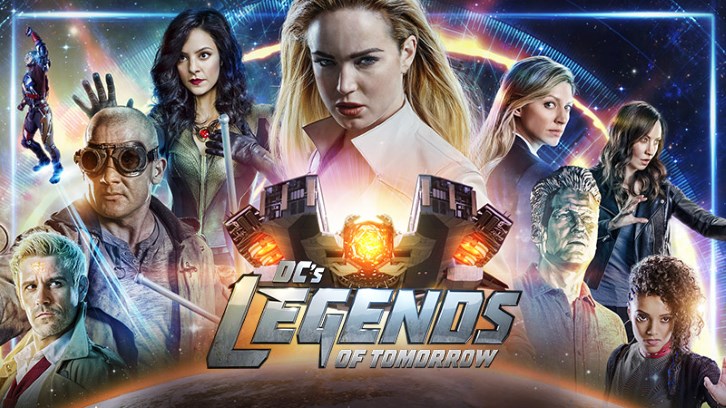
The only media I would consider examining lately would be DC’s Legends of Tomorrow. I don’t know what I would say about it, but it would be fun. I’d say go watch this awesome crazy show. I could talk about various characters’ masculinity, and how the show presents a spectrum. I could talk about queer representation. Or character development or superpowers or magic or my love for Gary as a great wacky character. I could gush about this show, but I don’t feel like doing the work, honestly. I’d rather, in this time of Rona, re-watch the latest season, turn off my brain, and laugh.
Why do academics love looking at and talking about media? It is a common language. Few people have read novels like Mary Barton or Passing (humble brag). But people have seen Wonder Woman or Star Wars. Citing media to speak about queer theory, colonialism, feminism, and more helps people not only understand the theories, but also the very media they consume. I, for one, expanded my understanding of feminism and language by reading books by scholars looking at Buffy the Vampire Slayer. One of my favorite papers, which I hope to revise and expand, is about Firefly, River Tam, and the weaponized female body. I need to do more reading to expand it, but the topic makes me excited to do so. That’s the best feeling a scholar can have, that carries us through long nights and tough times. We study media because we care. Instead of mindlessly consuming media, we also want you to think critically about it, to expand your knowledge base and learn new ideas. The goal of academics is to educate. If we can bridge our ivory towers by talking about Game of Thrones or Star Wars, then so be it.
 Recently, I took stock of all the various fandoms of which I am a part. Here’s the list: Harry Potter, Whedonverse, Supernatural, iZombie, and Veronica Mars. Probably Marvel if you only count the MCU, not the comics. Some of the DC CW shows almost made the list too. I’m not a member of the Star Wars fandom, although I’ve seen all of the movies at least once (not Solo). I’ve never seen the Star Trek shows or movies. I’ve seen a handful of Dr. Who episodes at random but I keep hesitating to dive into that intense fandom. There is too much content to devour it all.

 The MCU is becoming far too big, and frankly, I’m losing steam. I’m a dirty casual viewer, so they have to take it easy on me. (I’ve never read a Marvel comic and I’ve barely read any comics.) But I know Marvel and Disney will not slow down anytime soon. Marvel movies like Avengers: Endgame are now cultural events. The comic book movie has come a long way. What would Christopher Reeve think? DC and Marvel, no matter the setbacks, are in it for the long haul. They are not going away.

 Jack Claussen